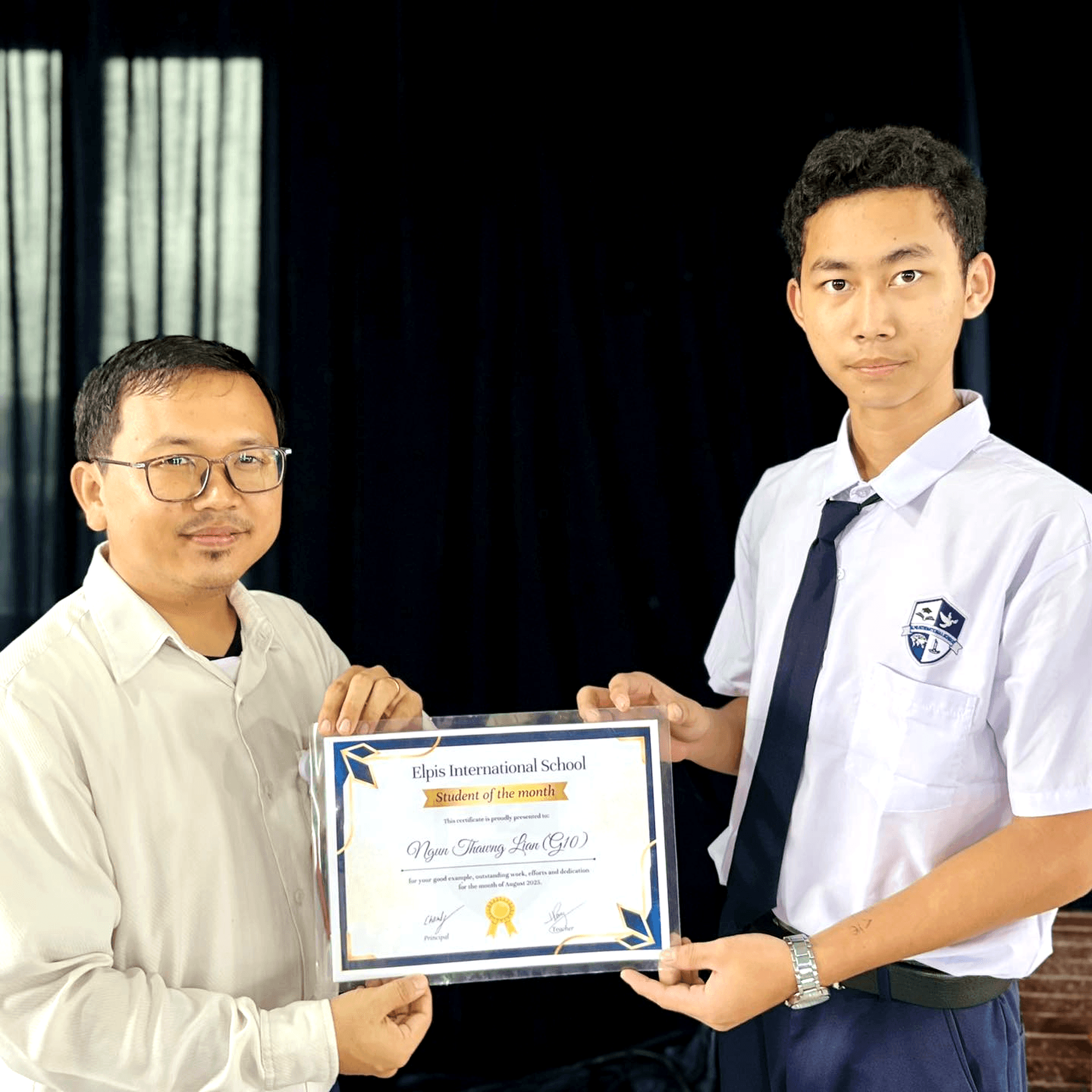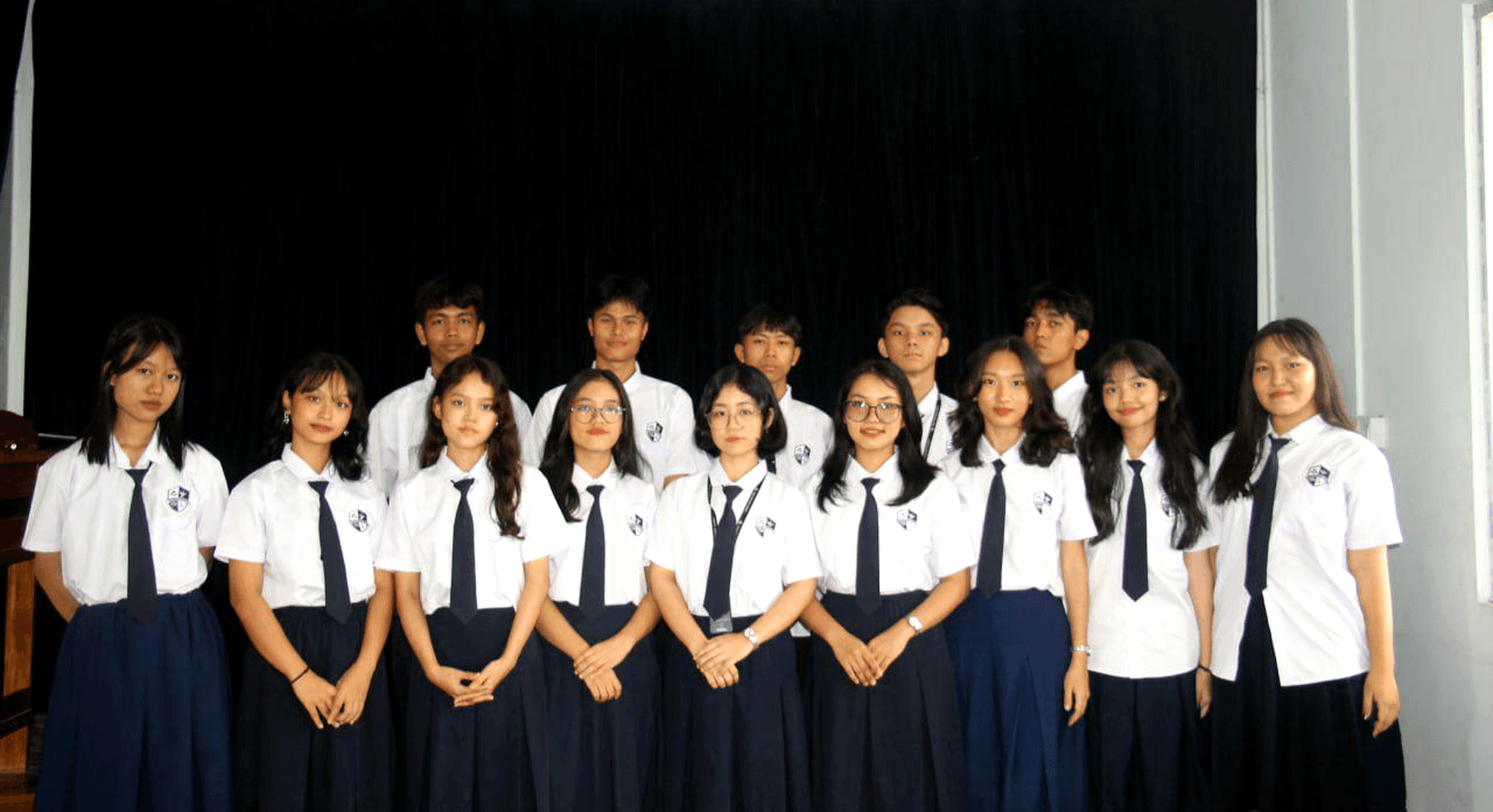
Welcome to High School
High School at Elpis is where everything comes together. The reading habits built in Elementary, the study skills formed in Middle School, the personal convictions developed across the years — all of it is tested, deepened, and directed toward something. A graduate. A thinker. A person ready for university, for work, and for a life that means something.
The High School program is organized into four tiers. Every student at Elpis studies all of the following.
Core Subjects — English & Literature, Mathematics, Science, and History & Social Studies. Studied every year across all four grades, these form the academic backbone of the High School program. In Grade 12, the program expands to include additional senior-year subjects: Economics, American Government, and Ethics.
Worldview & Ethics — A four-year sequence taken every year, exploring the philosophical, ethical, and worldview questions that every serious student eventually confronts.
Myanmar Studies (MOE Required) — Myanmar language, geography, and history (မြန်မာစာ၊ မြန်မာ့ပထဝီ၊ မြန်မာသမိုင်း) are studied every year by all students as a required part of the Elpis program, in accordance with Ministry of Education registration.
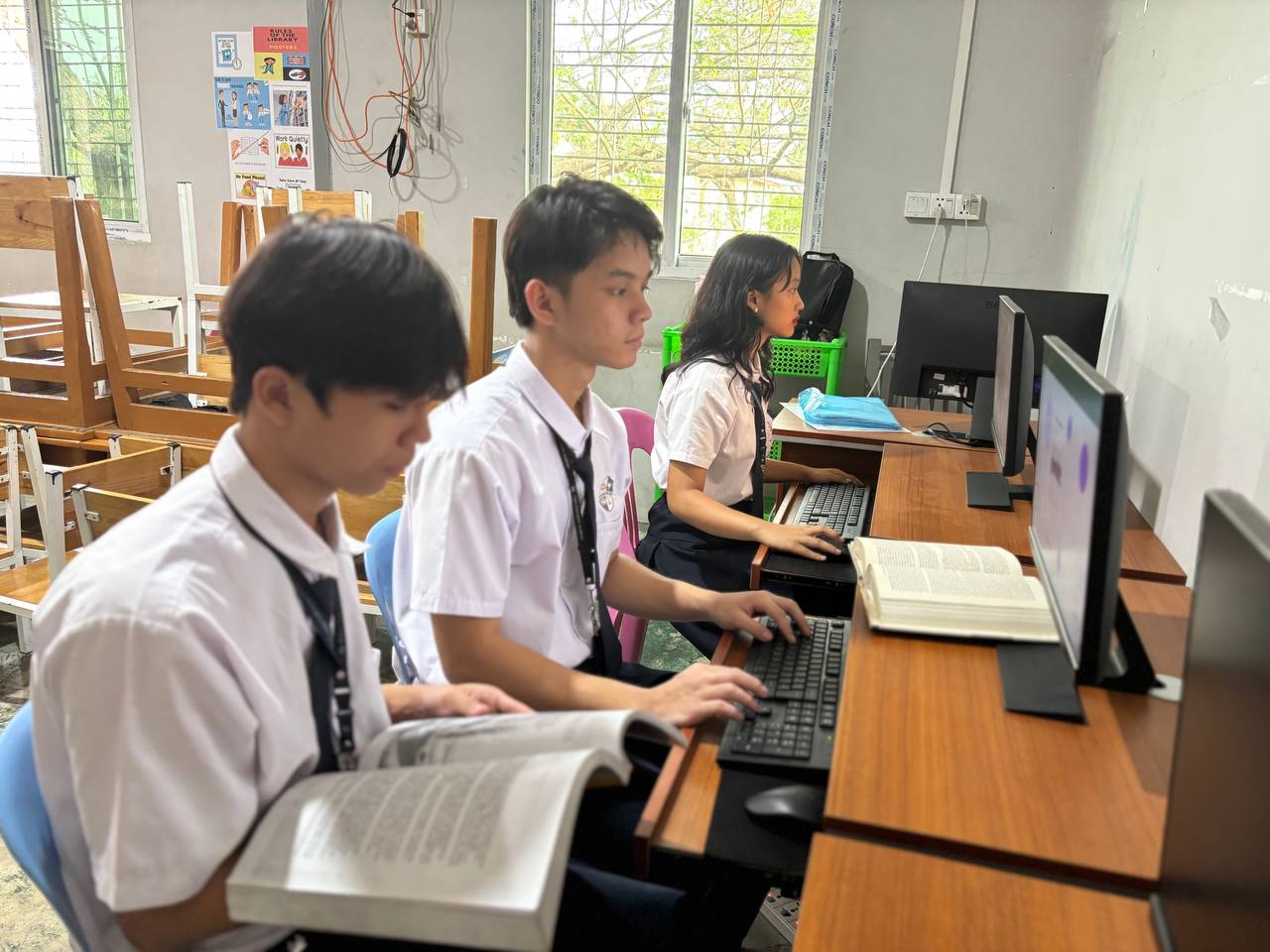
Additional Subjects — Art, Music, Physical Education, and Basic Computer. Students encounter these throughout the week alongside the core program, completing a well-rounded education that develops the whole person.
Language Electives — Chinese, available based on enrollment.
Graduates of Elpis High School hold a transcript that is structured, coherent, and university-ready — built on the BJU Press curriculum, recognized for its academic rigor within the American educational tradition.
Core Subjects
English & Literature
Mathematics
Science
History & Heritage
Worldview & Ethics
Myanmar Studies
Additional Subjects
Art
Music
Physical Education
Basic Computer Skills